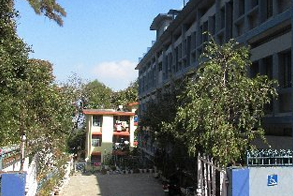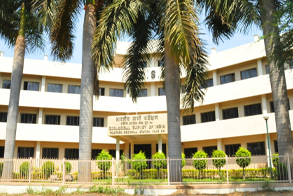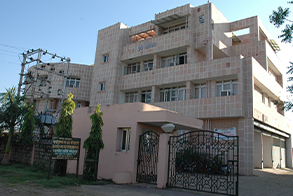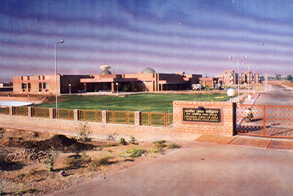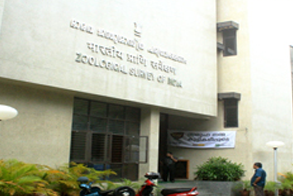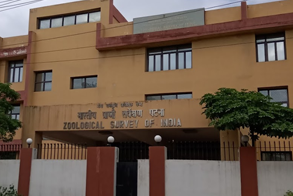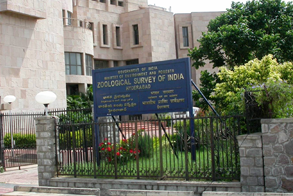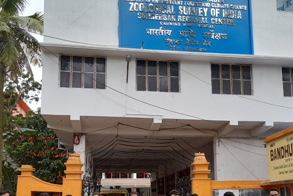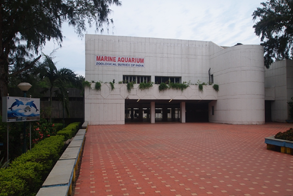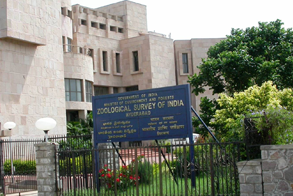


The Zoological Survey of India (ZSI) was established on July 1, 1916, with the aim of studying and documenting the diverse fauna of the country. Over the past 108 years, the ZSI has evolved from a small unit at the Indian Museum in Kolkata to a prestigious national institution. It now has its headquarters in Kolkata and 16 regional centers across the country.
During its journey, especially since the Second Five Year Plan Period, the ZSI has expanded its functions to include various areas such as environmental impact assessments, conservation area surveys, endangered species status surveys, DNA molecular studies, cyto-taxonomy, GIS studies, wildlife forensic studies, and the development of an Environmental Information System (ENVIS) on faunal diversity. The organization also provides identification and advisory services, serves as the national repository for type and voucher specimens, supports the enforcement of the Indian Wildlife (Protection) Act of 1972, and promotes awareness and conservation through activities such as the establishment of a museum, marine aquarium, exhibitions, training programs, and collaborations with government organizations, NGOs, universities, colleges, schools, and stakeholders.
Furthermore, the ZSI plays a crucial role as the custodian of the National Zoological Collections, which houses over 5.5 million specimens representing 103,920 species. These collections include species not only from India but also from neighboring countries such as Myanmar, Pakistan, Bangladesh, Sri Lanka, Nepal, and Bhutan.The Zoological Survey of India (ZSI) is working on all the groups of the faunal communities from the greater depth of the ocean to the high mountain ranges covering the ecosystem across the country with the combined efforts of scientists, scientific and technical staff as well as administrative staff of ZSI Headquarters, Kolkata along with its 16 Regional Centres.