-
Taxonomy, the scientific discipline concerned with the naming, describing, and classifying of organisms, encompasses all forms of life on Earth, including plants, animals, and microorganisms. Through the examination of morphological, behavioural, genetic, and biochemical characteristics, taxonomists identify, describe, and categorize species into classifications, even discovering new ones. By identifying and enumerating the various components of biological diversity, Taxonomy provides the fundamental knowledge necessary for the management and implementation of the Convention on Biological Diversity. However, despite over two and a half centuries of research, our understanding of Taxonomy remains incomplete. To date, taxonomists have only named approximately 1.78 million species of animals, plants, and microorganisms, leaving the total number of species unknown, estimated to be between 5 and 30 million. Unfortunately, Taxonomy has often been undervalued and misunderstood. Many individuals fail to recognize it as a legitimate scientific discipline, mistakenly assuming that the task of naming living organisms is a simple endeavour. In reality, Taxonomy is a complex process that involves a comprehensive analysis to form the synthesis that ultimately culminates in the assignment of a "simple" name, be it the species, genus, or any other taxonomic rank.
-
Biological diversity refers to the various aspects of life within a specific area. This includes the number of different taxa, life-history stages, species interactions, and individuals of a particular species or group of species. Additionally, it encompasses the geographic distribution of these individuals. The ecological roles that species play at different stages of their lifecycles, as well as the level of endemism and bio-disparity, are also important factors. Endemism refers to the presence of species that are unique to a particular area, while bio-disparity relates to the range of morphologies and reproductive styles within a community, influenced by the diversity and unpredictability of habitats. One approach to prioritize conservational efforts is to identify countries with the highest species richness, such as Mega diversity countries that have a significant number of vertebrates, swallowtails, butterflies, and higher plants.
-
India's vast expanse of 3.287 million square kilometers showcases a remarkable assortment of habitats, owing to significant variations in rainfall, altitude, topography, and latitude. These variations give rise to major seasonal changes in vegetation. India is divided into 10 Biogeographical Zones, 5 Biomes, and 3 Bioregion Domains. Within its borders, the country supports a diverse range of habitats or ecosystems, including forests, grasslands, wetlands, coastal areas, marine environments, and deserts, each boasting a rich and distinctive array of plant life. The country's geographical location at the confluence of three major global Biogeographic Realms - Indo-Malayan, Eurasian, and Afro-tropical - further enhances its biological attributes, allowing the intermingling of plant species from these regions. India encompasses a wide range of eco-zones, such as deserts, high mountains, highlands, tropical and temperate forests, swamplands, plains, grasslands, riverine areas, and island archipelagos. It is also home to four Biodiversity Hotspots: the Himalayas, the Western Ghats, the hilly ranges of Andaman along the India-Myanmar border, and the Nicobar Group of Islands as part of Sundaland. These hotspots harbour numerous species that are found nowhere else in the world. Due to its vast size and diverse range of latitude, topography, and climate, India boasts a great variety of ecoregions, ranging from the permanently ice-covered Himalayas to tropical rainforests. The Himalayas, which span India's northern region, serve as the boundary between two of the earth's major Ecozones - the Palearctic, covering most of temperate-to-arctic Eurasia, and Indo-Malaya, encompassing the majority of the Indian subcontinent and extending into Indochina, Sundaland (Malaysia and Western Indonesia), and The Philippines.
-
India boasts an immense wealth of vegetation and biodiversity, thanks to its wide range of climatic and altitudinal variations, as well as its diverse ecological habitats. The country is home to various Ecosystems, including forests, grasslands, wetlands, coastal and marine areas, and deserts. Forests alone cover approximately 21.71% (713,789 square kilometers) of India's total geographical area. Wetlands occupy about 4.63% (152,600 square kilometers) of the country's total area. India's mangroves, spanning an area of around 4,992 square kilometers, account for 3.32% of the world's mangrove coverage and are considered amongst the finest swamps globally. Coral Reefs, another unique marine ecosystem, can be found in the Andaman & Nicobar Islands, Lakshadweep Islands, Gulf of Kutch, and the Gulf of Mannar. The desert ecosystem, covering roughly 2% of India's landmass, extends across the states of Rajasthan, Gujarat, Punjab, and Haryana. It is characterized by minimal rainfall and predominantly barren arid lands, with sparse or seasonal vegetation. The cold desert, located in Ladakh and Lahaul-Spiti (Himachal Pradesh), spans over an area of approximately 109,990 square kilometers.
-
India, despite covering only 2.4% of the world's landmass, boasts an impressive array of 55,387 plant species including 22,108 species of Angiosperms, 83 species of Gymnosperms, 1319 species of Pteridophytes, 2819 species of Bryophytes, 3044 species of Lichens and Lichenicolous Fungi, 15701 species of Fungi, 9035 species of Algae, and 1278 species of Microbes. Furthermore, 28% of these plants are unique to India, making it a Biodiversity Hotspot. The country's floral diversity is concentrated into four distinct regions: the Himalayas, Western Ghats, Northeast India, and the Andaman and Nicobar Islands.
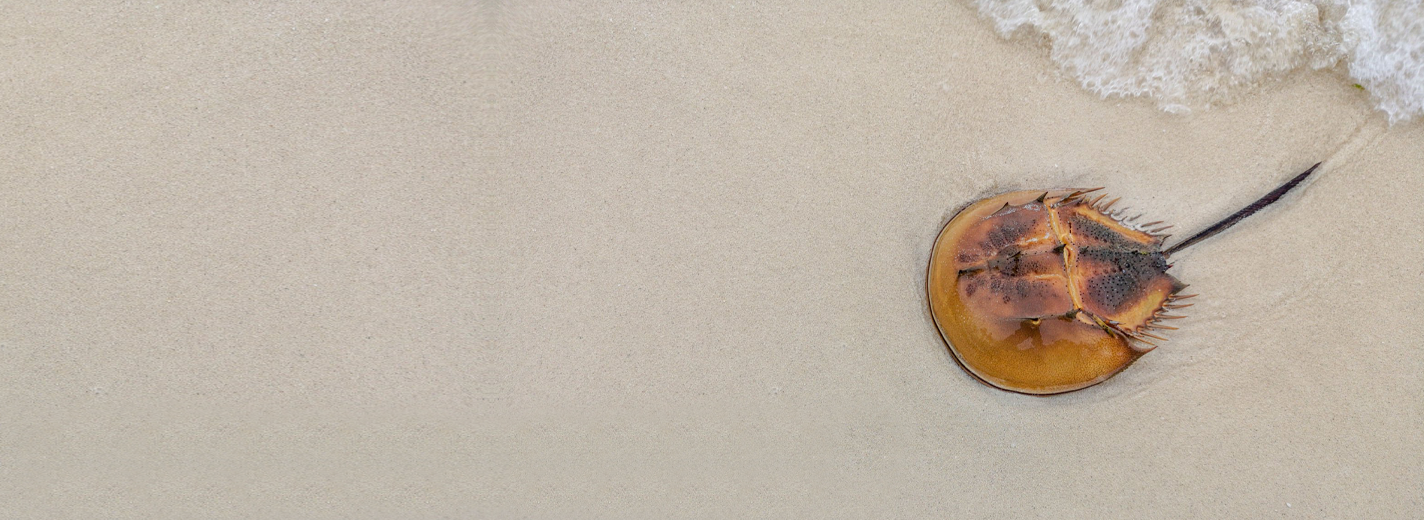
-
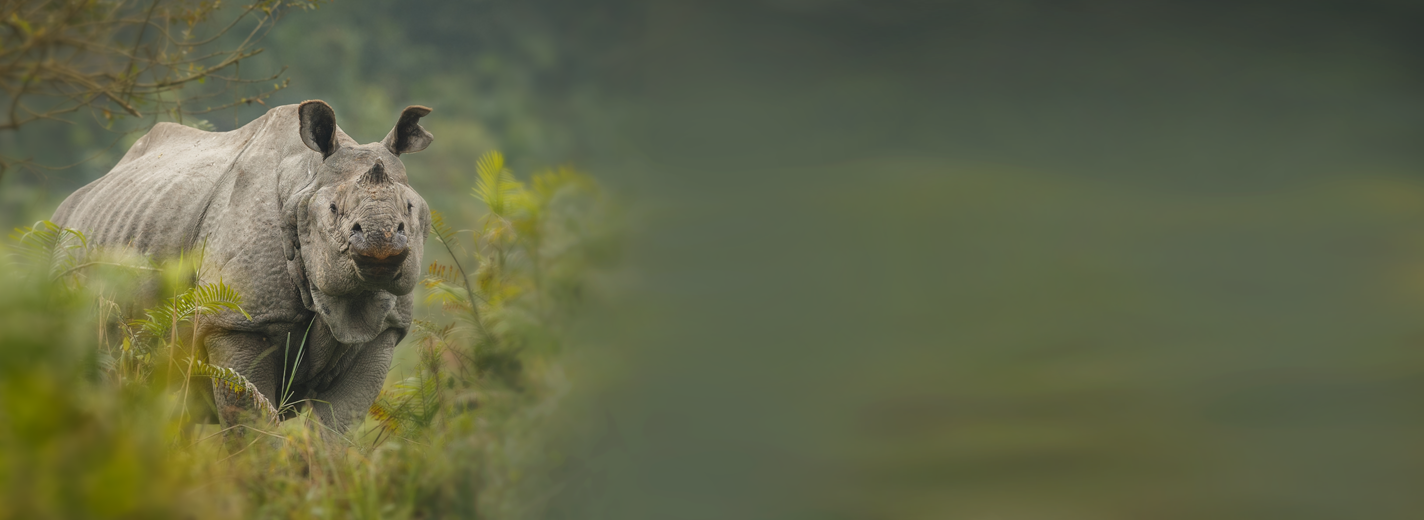
India, as one of the 18 Mega Biodiverse countries, has a remarkable diversity of faunal communities. A comprehensive record shows that there are a total of 103,920 species in India. This includes 436 of mammalian species, 1346 of avian species, 738 of reptilian species, 450 of amphibian species, and 3532 of fish species. It is interesting to note that while only 12.6% of mammals and 4.5% of birds are endemic to India, a significant proportion of reptiles (45.8%) and amphibians (55.8%) are unique to the country. The term "Marine Biodiversity" encompasses a wide range of ecosystems, from coastal zones to the deep sea. India, with its incredible biological diversity, contributes to 7% of the world's biodiversity. This can be attributed to India's favourable geographical location, situated between the Tropic of Cancer and Capricorn, which provides a conducive climate for diverse ecosystems to thrive. Within the marine ecosystem of India, there are 32 animal phyla, with 15 of them represented by various taxa. These taxa consist of 20,444 species, which include both migratory and resident species. Migratory organisms such as pelagic crustaceans, coelenterates, cephalopods, fishes, reptiles, birds, and mammals contribute to the rich biodiversity. Additionally, the benthic macrofauna comprises of resident species such as polychaetes, bivalves, gastropods, sipunculates, and mud burrowing fishes. The presence of free swimmers or nekton further enhances the diversity of marine life in India.